


When planning a cosmetic procedure, most people focus on the treatment itself and the final result. What is often overlooked is the role everyday skincare plays in preparing the skin for that process.
Skin preparation is not about doing more. It is about conditioning the skin so it is calm, balanced, and resilient going into treatment. Whether a patient is considering surgery or a non-surgical procedure, thoughtful skincare leading up to treatment helps support healing and improves how results settle over time.
Why Skincare and Skin Conditioning Matter
The skin serves as the body’s primary protective barrier. Cosmetic procedures place temporary stress on that barrier as the skin heals, remodels, and adapts.
When skin is well hydrated and supported through consistent skincare, it is better equipped to tolerate treatment and recover evenly. Skin that is dry, irritated, or inflamed beforehand may take longer to heal and may respond less predictably during recovery.
Conditioning the skin ahead of time helps create a more stable environment for healing. This allows the body to focus on repair rather than managing unnecessary irritation or inflammation.
What Skin Conditioning Really Means
Skin conditioning does not require an elaborate routine. In most cases, it involves simplifying and stabilizing daily skincare habits.
A gentle cleanser helps keep the skin clean without disrupting the barrier. Regular moisturizing supports hydration and comfort, while daily broad-spectrum sun protection helps prevent ongoing damage that can interfere with healing. Just as important is consistency. Sudden changes or aggressive treatments close to a procedure can unsettle the skin when stability matters most.
During consultation, existing skincare routines can be reviewed and adjusted based on skin type, sensitivity, and the planned procedure. Many patients find that these foundational habits benefit their skin well beyond their treatment timeline.
How Skincare Supports Better Outcomes
Consistent skincare and proper conditioning do not change the procedure itself, but they influence how the skin responds afterward.
Well-conditioned skin tends to heal more evenly, handle swelling and redness more predictably, and allow results to blend naturally over time. This applies to both surgical and non-surgical treatments, where subtlety and balance are often the goal.
What to Pause Before a Procedure
As important as conditioning the skin is knowing when to reduce unnecessary stress. In the weeks leading up to treatment, patients are often advised to temporarily pause certain habits that may increase sensitivity.
This may include:
- Strong exfoliants or resurfacing treatments
- High-strength active ingredients that can irritate the skin
- Excessive sun exposure or tanning
Specific guidance varies based on the procedure and individual skin needs and is always reviewed during consultation.
Skin Preparation for Surgical Procedures
For surgical procedures that involve lifting, repositioning, or restoring tissue, skin quality plays a supporting role in how results settle.
Skin that is well hydrated and conditioned tends to tolerate surgical stress more evenly. Swelling often resolves more gradually, and contours refine more smoothly as healing progresses. Procedures such as facelifts or fat transfer rely on healthy surrounding skin to support natural-looking, balanced outcomes.
Skin Preparation for Non-Surgical Treatments
Skin conditioning is equally important for non-surgical treatments.
When the skin barrier is strong and supported, treatments such as injectables or regenerative therapies tend to integrate more evenly. Results develop subtly and blend naturally, helping patients look refreshed rather than noticeably treated.
A Practical Timeline for Skin Conditioning
Every patient’s skin responds at its own pace, but a general framework can help guide preparation without feeling rushed.
Three to six months before treatment
Establish a consistent skincare routine focused on gentle cleansing, moisturizing, and daily sun protection.
One to three months before treatment
Maintain stability and make only minor adjustments if recommended.
The final weeks before treatment
Avoid introducing new products. Focus on hydration, rest, and consistency.
After treatment
Continue gentle skincare and follow post-procedure instructions to support healing and maintain results.
Starting early allows skin conditioning to happen gradually, without pressure or last-minute changes.
Setting Realistic Expectations
Skincare and skin conditioning support healing and outcome quality, but they do not eliminate natural variation. Factors such as age, lifestyle, skin type, and overall health all influence how the body responds to treatment.
Conditioning the skin helps create favorable conditions for recovery and natural-looking results, but outcomes will always be individualized. Clear planning helps ensure expectations remain realistic and aligned.
A Thoughtful Step That Supports the Bigger Picture
Preparing the skin through consistent, thoughtful skincare is one of the most effective ways to support healing and improve outcomes for both surgical and non-surgical procedures. It reflects a measured, intentional approach to care.
If you are considering a procedure and would like guidance on how to condition your skin appropriately, a consultation allows for personalized planning, timing, and recommendations based on your goals.
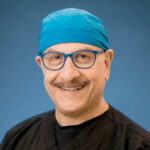
Abdollah Malek, M.D.
Dr. Abdollah Malek is a board-certified plastic and reconstructive surgeon with decades of experience caring for patients in Delaware. Fellowship trained in head, neck, reconstructive, and cosmetic surgery, he is known for a thoughtful, comprehensive approach that prioritizes natural, harmonious results. At The Centre for Cosmetic Surgery & Medicine, Dr. Malek builds each treatment plan around careful listening and individual patient goals.