



Dermal fillers have been a reliable option for restoring facial volume for many years. While they remain beneficial in the right circumstances, more patients today are reassessing the long-term role of fillers and exploring alternatives that offer natural, durable results. Fat transfer is one of those options, and it has been a core part of Dr. Abdollah Malek’s practice for more than three decades.
Fat transfer uses the patient’s own tissue to restore balance and fullness across the face, breasts, and body. For individuals who prefer subtle rejuvenation without synthetic materials, it offers a thoughtful and effective path forward.
Why Some Patients Are Rethinking Fillers
Fillers play an important role in aesthetic medicine, yet their limitations become clearer with long-term use. Common reasons patients look for alternatives include:
Temporary Improvement: Fillers require routine maintenance. Repeat treatments are needed every several months to preserve results.
Shifts in Facial Balance: Over time, accumulated filler may alter facial shape in ways patients did not anticipate.
Preference for Natural Materials: Many individuals now favor treatments that rely on their own tissue rather than manufactured products.
Interest in Long-Lasting Volume: Fat transfer offers softer, more stable results once the grafted fat integrates with existing tissue.
These considerations often lead patients to explore options that support facial harmony over a longer period.
Long-Term Considerations With Repeated Fillers
Fillers remain appropriate for many situations. However, repeated use may introduce changes such as:
- Stretching of the overlying skin
- Heaviness or puffiness in treated areas
- Altered facial proportions over time
- Variability when new injections interact with older product
Because of these factors, patients seeking predictable, long-term improvement often find fat transfer to be a better fit.
Fat Transfer: A Natural, Tissue-Based Solution
Fat transfer restores volume using the patient’s own purified fat. This approach aligns well with patients who prefer subtle rejuvenation and structural balance.
How Fat Transfer Works
Fat is gently harvested with liposuction, processed to the appropriate consistency, and reinjected into areas that need volume. Once incorporated, the fat behaves like the surrounding tissue.
A More Organic Form of Rejuvenation
Fat provides soft, smooth contouring without the extra fullness that fillers can sometimes create. Results can be long-lasting and can age naturally with the patient’s own tissues.
Decades of Specialized Experience
Dr. Malek has more than 30 years of experience performing fat transfer across the face, breasts, and body. His depth of experience allows him to tailor the procedure using either nanofat or structural fat grafting based on each patient’s anatomy and goals.
Nanofat vs. Structural Fat Grafting
Fat transfer is not a single technique. Dr. Malek uses two primary approaches depending on the desired outcome.
Nanofat
Nanofat is processed into a fine consistency. Best suited for:
- Fine lines
- Under-eye areas
- Subtle textural enhancement
- Delicate contour refinement
Nanofat does not provide structural volume. Instead, it offers gentle surface-level improvement.
Structural Fat Grafting
Structural fat grafting uses larger fat particles to establish shape and fullness. Best suited for:
- Cheeks
- Temples
- Jawline
- Breasts
- Body contouring
This technique supports stronger, more defined volume restoration.
Both methods may be combined when appropriate to achieve balanced, natural results.
Where Fat Transfer Is Most Effective
Fat transfer is versatile and can be used across multiple regions to restore proportion and smooth transitions.
Face
- Cheeks
- Temples
- Under-eye hollows
- Smile lines
- Jawline
These areas often lose volume with age or weight change, making them ideal for subtle, natural enhancement.
Breasts
Fat transfer can improve breast contour or complement breast surgery. Dr. Malek frequently uses fat to refine or soften results in hybrid breast augmentation.
Body
Fat can correct volume irregularities, support contouring, or restore symmetry in a variety of areas.
Why Fat Transfer Aligns With a More Natural Aesthetic
Patients today express a strong preference for results that are subtle, balanced, and easy to maintain. Fat transfer supports this by:
- Using the patient’s own tissue
- Providing soft, natural fullness
- Offering results that integrate with surrounding structures
- Reducing reliance on frequent maintenance appointments
The outcome is a refreshed appearance that maintains the integrity of the patient’s natural features.
Is Fat Transfer the Right Choice?
During your consultation, Dr. Malek evaluates your anatomy, long-term goals, previous filler history, and the areas of concern. Some patients choose fat transfer as a stand-alone procedure, while others combine it with facial surgery, breast procedures, or body contouring for a more comprehensive outcome.
Learn More About Natural Rejuvenation
If you’re considering an alternative to fillers or want a longer-lasting, tissue-based solution, fat transfer may be an excellent option.
Schedule a consultation to explore a customized plan based on more than 30 years of surgical experience.
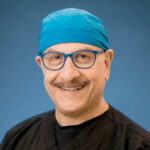
Abdollah Malek, M.D.
Dr. Abdollah Malek is a board-certified plastic and reconstructive surgeon with decades of experience caring for patients in Delaware. Fellowship trained in head, neck, reconstructive, and cosmetic surgery, he is known for a thoughtful, comprehensive approach that prioritizes natural, harmonious results. At The Centre for Cosmetic Surgery & Medicine, Dr. Malek builds each treatment plan around careful listening and individual patient goals.